Oil Water Separator
An oil water separator is a practical machine used in many industries to keep oil and water from mixing. Whenever oil gets into water—whether it’s in a workshop, a factory, or a marine setup—this equipment helps separate them so the water becomes cleaner and the machinery stays protected. It’s simple to use, reliable, and extremely important for maintaining a safe and efficient work environment.
Description
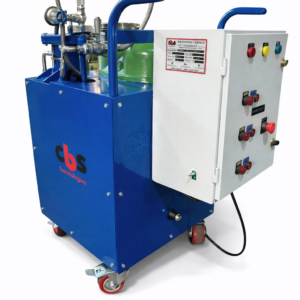
An oil water separator is basically a system built to remove oil droplets, dirt, and other unwanted particles from water. Instead of letting contaminated water harm equipment or pollute drains, the separator treats it using mechanical methods.
These machines are common in places like manufacturing units, service stations, and marine vessels. Anywhere oil ends up in water, this device becomes useful. It also helps companies follow environmental rules without slowing down their operations.
How It Works
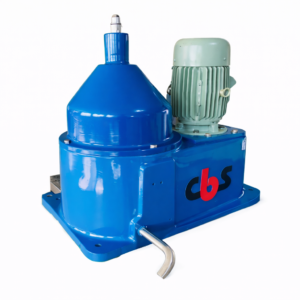
The working process is quite straightforward. The separator uses gravity, special coalescing plates, or sometimes centrifugal motion to pull oil away from water.
A simple flow looks like this:
-
Oily water goes inside the separator.
-
The flow slows down, allowing oil droplets to naturally rise because oil is lighter.
-
Some systems have coalescing media that make tiny oil droplets combine into bigger drops.
-
Oil moves to the top, where it can be collected.
-
Cleaner water flows out from the bottom.
-
Any sludge or dirt settles down and can be removed later.
This setup allows the machine to keep running smoothly while separating oil quickly and consistently.